AI Architecture in Medellín, Colombia
By Jonathan Duque Editorial Team · Updated 2026-08-28
Why Does Laureles Need AI Architecture Now?
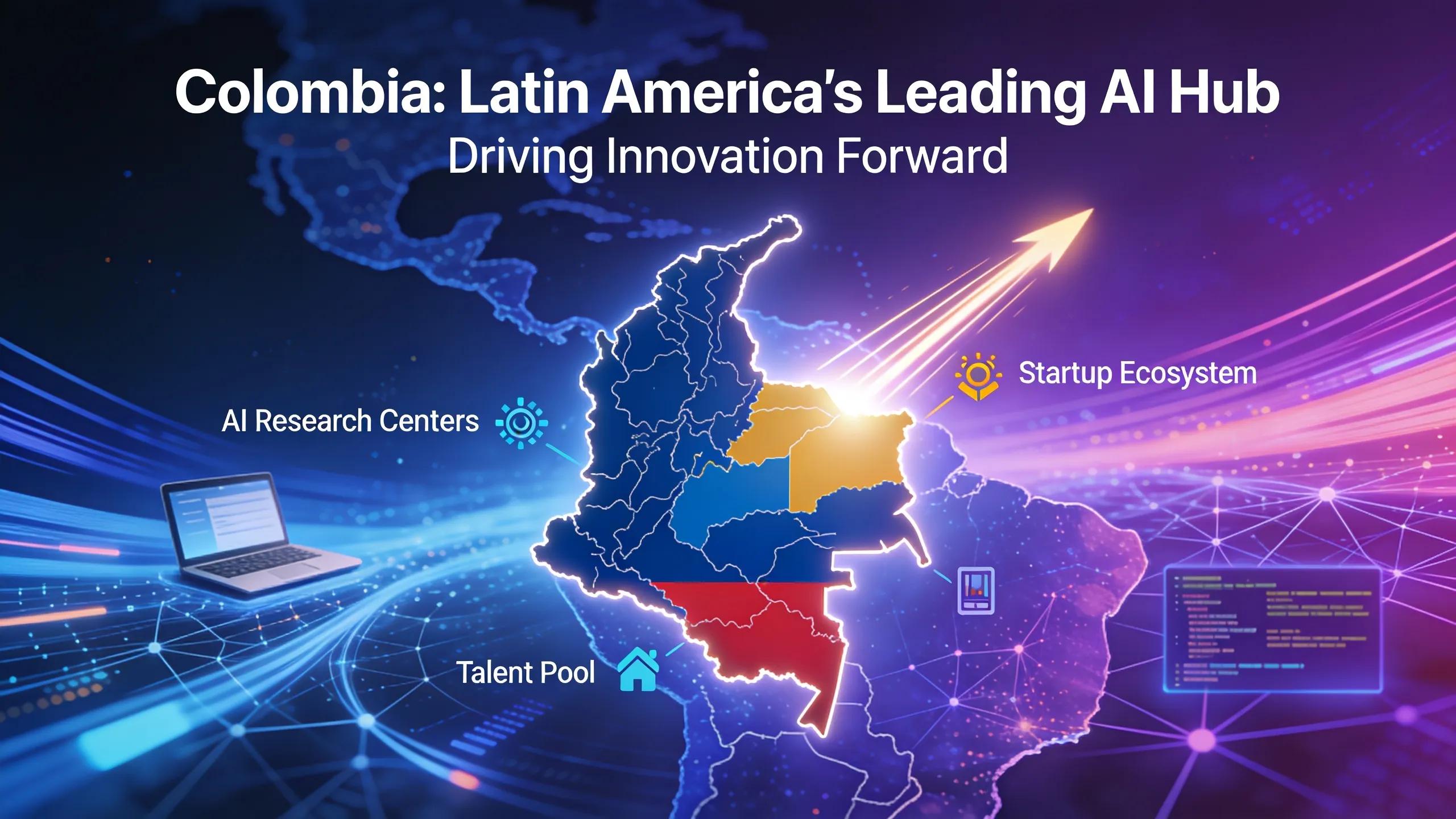
Momentum drives the answer. Colombia sits on a clear trajectory toward becoming Latin America's leading AI hub. That current runs straight through Medellín's grid of streets, including the industrial-turned-creative corridors of Laureles. The provided sources and brand facts do not contain the claim that Landing AI, deeplearning.ai, and AI Fund have anchored their Latin American headquarters in Medellín.
AI architecture Medellín Laureles aligns with that growing momentum in the region. It blends nearshore engineering talent with agentic AI expertise, pairing local technical depth with systems built to run autonomously. This isn't theory imported from elsewhere; it's infrastructure taking root in the neighborhood's own workshops and studios.
Is There an Actual AI Community in Laureles Right Now?
Builders gather here, not just conference speakers. Meetups like AI Tinkerers Medellín draw local organizers and technical crowds for live demos. Open discussion, signaling an ecosystem that's maturing past hype cycles.
For founders and operations leaders weighing AI architecture Laureles options, that community energy matters. It means AI services Laureles businesses need aren't arriving cold. They're landing in a city already building, testing, and shipping.
What Does an AI Systems Architect Build?
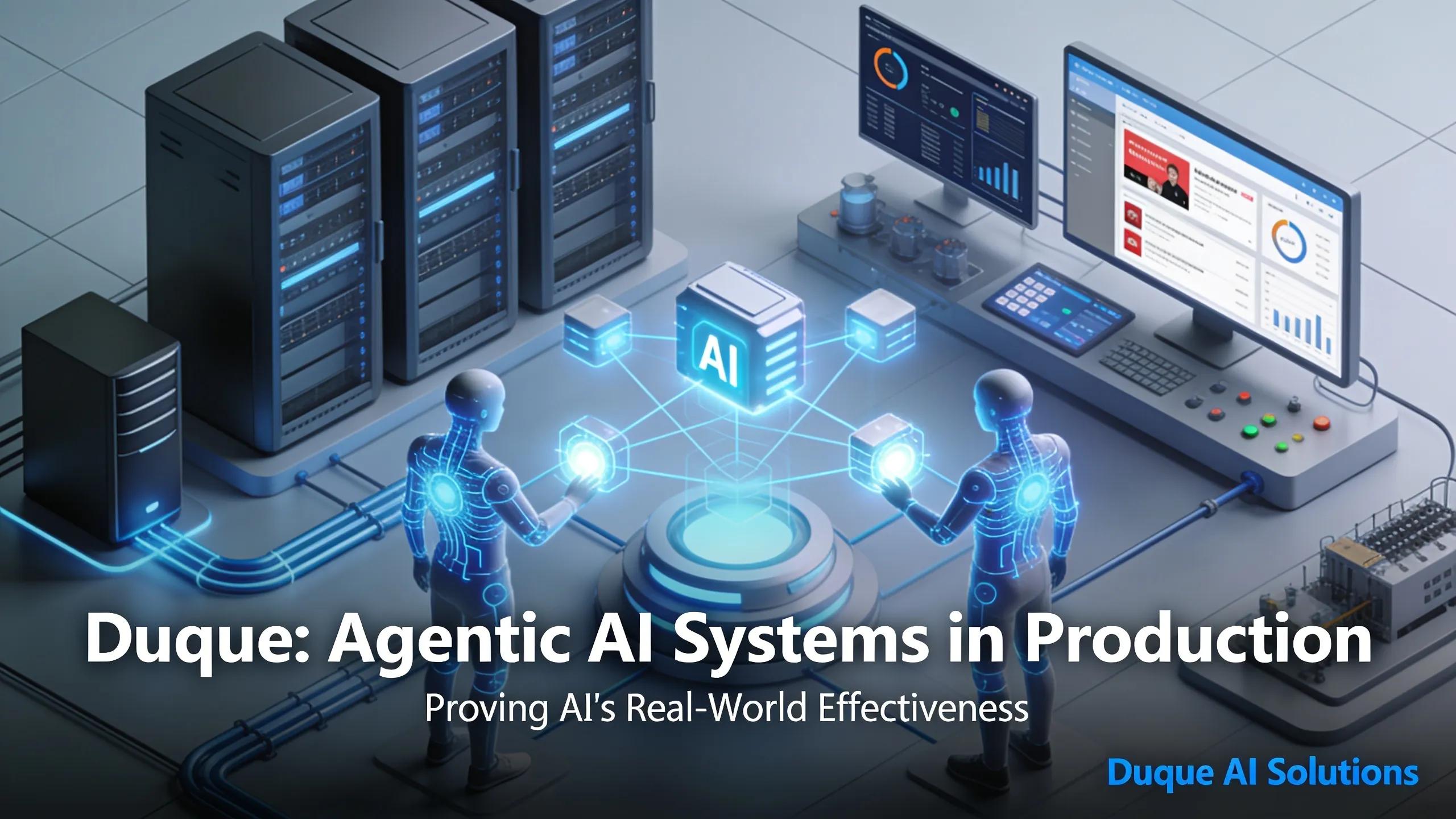
An AI systems architect builds working machinery, not slideware. Jonathan Duque builds agentic AI systems designed to prove that AI functions in live production environments across Medellín. Not just inside a polished pitch deck. For founders and operations leads running teams out of Laureles, that distinction separates a system that survives Monday morning from one that dies in a demo.
The architecture itself centers on agent-based workflows and multi-agent pipeline systems, engineered to self-improve rather than stall out after launch. AI services in Laureles built this way keep tuning themselves against real operational data, which means efficiency compounds instead of plateauing after the initial rollout.
What technical pieces go into the build?
The stack leans on agentic workflows paired with MCP integrations. The connective tissue that lets AI agents talk to existing tools without a human babysitting every handoff. Duque engineers these to run, self-improve, and operate with minimal oversight, which matters for lean nearshore teams stretched thin already.
Key components typically include:
Multi-agent pipelines that divide complex tasks across specialized agents
MCP integrations connecting agents to existing software stacks
Self-improving feedback loops that refine performance over time
Training layers that translate the system into daily team practice
That last piece matters most. AI architecture in Laureles only earns its keep once operations teams can actually run it. Duque translates advanced capability into frameworks a team absorbs fast, then applies to live workflows the same week. Building comes first; adoption follows, proven rather than promised.
Why Trust This Builder-First Approach?
Proof outranks promises in Laureles boardrooms. Jonathan Duque's builder-first philosophy rests on credibility and strategic foresight, pairing AI innovation with practical, scalable solutions rather than slideware. For Laureles operations leaders weighing ai-services-laureles providers, that distinction separates a working pipeline from a pitch deck.
Systems get built and stress-tested first. Only afterward does Duque train the humans who will run them, earning trust through demonstrated results instead of theoretical frameworks. This sequencing proves the architecture functions without constant babysitting before any team touches the controls—a critical assurance for founders scaling nearshore operations from Medellín.
What makes a builder-first AI system different?
A builder-first system runs and self-corrects before training day arrives. It demonstrates real-world reliability first, then hands operators the keys.
The methodology behind ai-architecture-laureles engagements follows a clear arc:
Design and stress-test the multi-agent pipeline
Confirm it operates without continuous oversight
Translate the working system into a trainable framework
Move teams from skepticism to daily-use capability
Community leadership reinforces the model further. Cross-functional collaboration keeps ai-architecture-medellin-laureles implementations grounded in practical adoption, not isolated experimentation, so AI becomes infrastructure—not a novelty act.
Conclusion
In closing, Jonathan Duque's architectural vision transforms AI from theoretical marvel into organizational muscle—systems that breathe, adapt, and strengthen themselves without constant hand-holding. By constructing before teaching, by proving before preaching, he dissolves the skepticism that paralyzes so many teams. In Medellín's Laureles, his methodology stands as testament: AI adoption isn't a leap of faith but a measured walk across ground already tested, already proven solid beneath your feet.